ConnectiveOne's Case Study at the 21st Customer Experience Conference
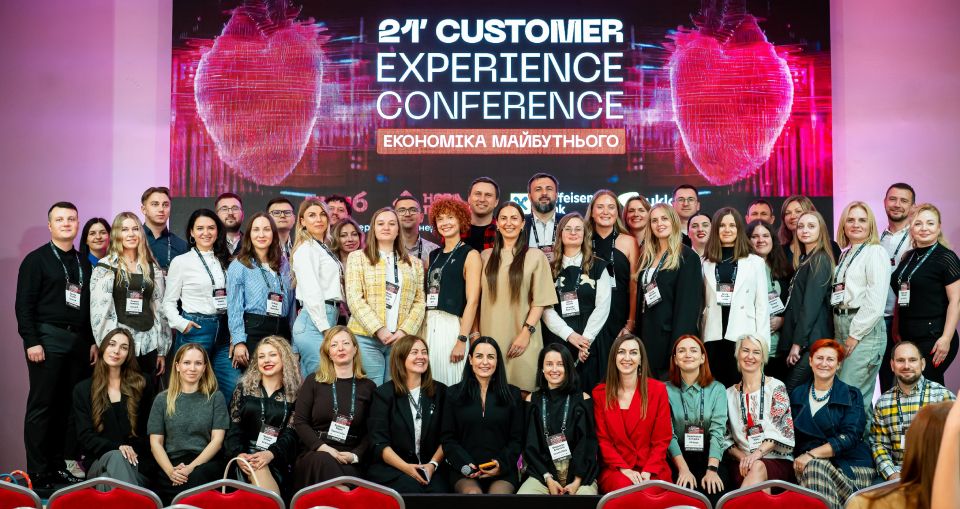
On September 22, the ConnectiveOne team took the stage at the 21st Customer Experience Conference, organized by KA Group. As Ukraine's largest cross-industry conference for leaders driving growth through customer experience, the event brought together business owners and CEOs, CX and contact center leaders, and executives responsible for marketing, product, sales, and operations.This year's discussions focused on how CX is evolving from a collection of separate initiatives into an integrated system where strategy, data, AI, and people work together.
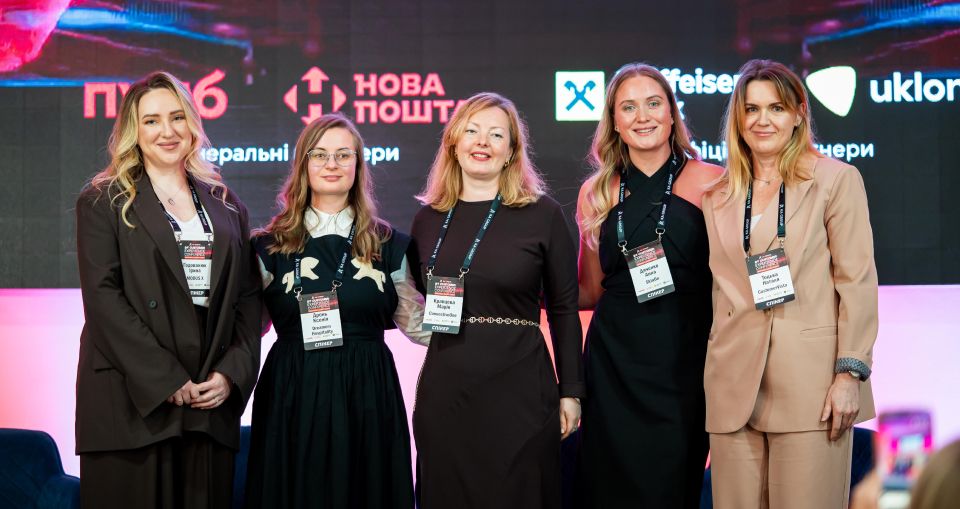
Maria Kravtsova, our Chief Growth Officer, joined the case study session "CX FAIL: The Cost of Decisions That Seemed Right," alongside representatives from SkinOn, ULIS, and MODUS X. The session explored a common question: Why did a decision seem right at first, where did it clash with reality, and what changed after things went wrong? Our case study was titled "How Not to Make Your Team Faster." It told the story of AI-powered suggestions for customer support agents that nobody ended up using.
The idea was straightforward: AI suggests a ready-made response, the agent reviews it and sends it to the customer. If the knowledge base doesn't contain the answer, the system should say so. We expected agents to handle more customer inquiries per shift without expanding the team. Our knowledge base covered approximately 70% of common questions, the AI never sent messages automatically, and agents themselves had been asking for less repetitive work. On paper, it looked like a safe experiment.
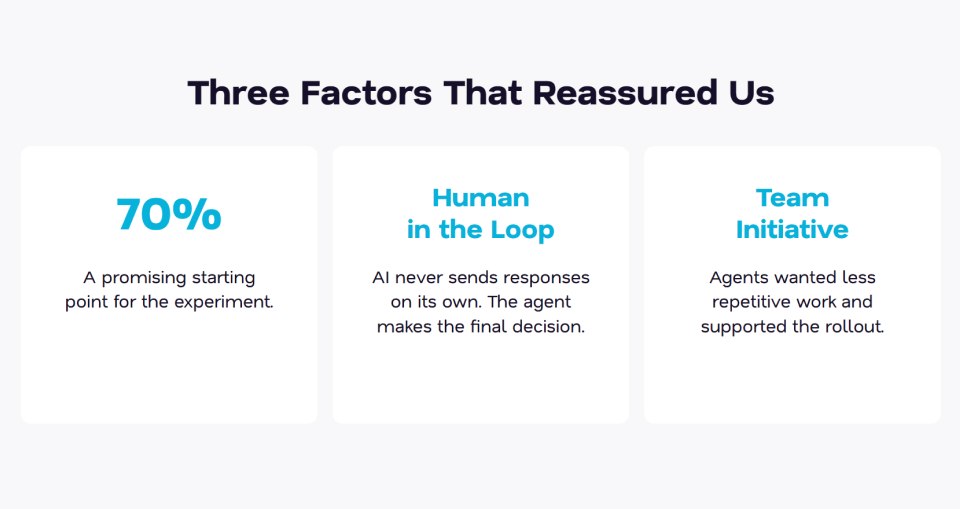
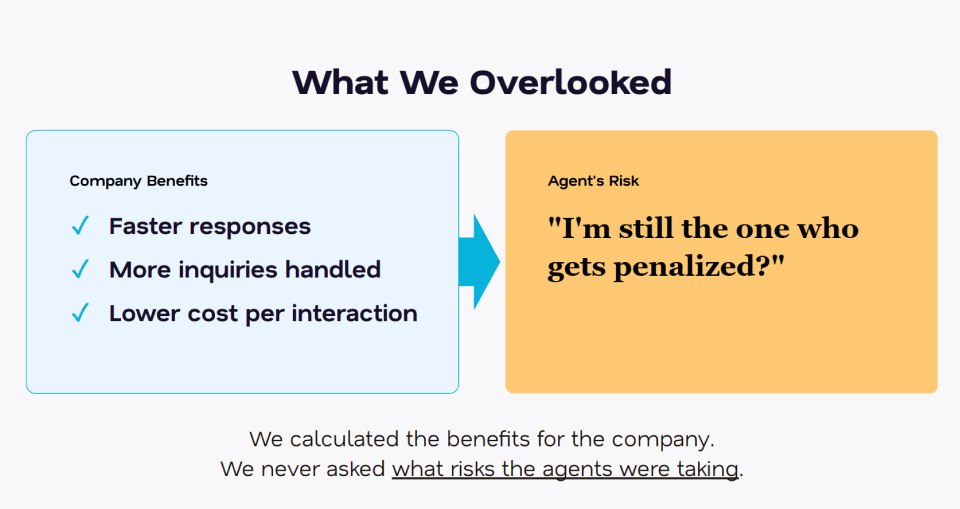
We calculated the benefits for the company: faster responses, more inquiries handled, and a lower cost per interaction.
What we failed to ask was: What risks would this create for the agents? In the second week, the AI generated a response to a question that wasn't covered by the knowledge base. An agent sent the suggested response and received a disciplinary penalty. Under the existing quality assurance process, the mistake was still considered the agent's responsibility. Reviewing AI-generated suggestions took longer than writing responses from scratch, yet the agents were still expected to meet the same speed targets. Within two weeks, agents had stopped using the suggestions altogether. It took approximately three months to get the solution working in practice.
We started with just two agents instead of rolling out the solution to an entire shift. Every questionable AI suggestion was reviewed individually. For these agents, we temporarily removed the pressure to meet speed targets. We also enabled AI suggestions only for categories where their accuracy was at least 98%.
70% of suggestions that nobody uses deliver zero value.

A tool is only as effective as the experience it creates for the people who use it every day. Don't roll out a solution your team is afraid to trust, even if the initial numbers look promising. If the company gets all the benefits while agents bear all the risks, Copilot will remain switched on but unused.
Thank you to KA Group and our fellow speakers for creating a space where we could openly discuss not just our successes, but also the lessons we've learned from our mistakes.